-
- View All
- Acrylic Sets
-
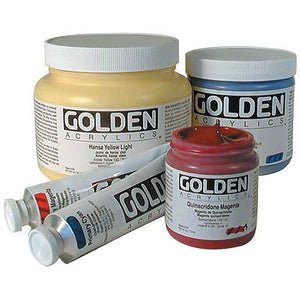
- Golden Heavy Body 2 oz Tubes
- Golden Heavy Body 5 oz Tubes
- Golden Heavy Body 8 oz Jars
- Golden Heavy Body 16 oz Jars
- Golden Heavy Body 32 oz Jars
- Golden Heavy Body Gallons
- Golden SoFlat Matte Acrylics
- Golden Fluid Acrylics 1 oz
- Golden Fluid Acrylics 4 oz
- Golden Fluid Acrylics 8 oz
- Golden Fluid Acrylics 16 oz
- Golden Fluid Acrylics 32 oz
- Golden Fluid Acrylics 128 oz
- Golden High Flow Acrylics 1 oz
- Golden High Flow Acrylics 4 oz
- Golden High Flow Acrylics 16 oz
- Golden OPEN Acrylics 2 oz
- Golden OPEN Acrylics 5 oz
- Golden OPEN Acrylic Sets
- M. Graham Acrylics 2 oz
- M. Graham Acrylics 5 oz
- Liquitex BASICS
- Amsterdam Acrylics
- Liquitex Heavy Body Acrylics
- Galeria Acrylic
- Fluorescent/Phosphorescent Paints
- DecoArt Americana Craft Paints
- SoSoft Fabric Paints
- DecoArt Stained Glass Paints
- DecoArt Student Acrylic 64 oz
-
-
- Palettes
-
- Palette Knives/Painting Knives
-
-
-
-
- Parts for NEO TRN1
- Parts for Converting NEO TRN1 to a 0.5 Nozzle
- Parts for NEO TRN2
- Parts for Converting NEO TRN2 to a 0.35 Nozzle
- Parts for NEO CN
- Parts for Converting NEO CN to 0.5mm Nozzle
- Parts for the NEO BCN (siphon feed)
- Parts for Converting NEO BCN Airbrush to 0.35mm Nozzle
- Parts for Eclipse BCS
- Convert Eclipse HP-BCS to .35 mm
- Parts for Eclipse BS
- Parts for Eclipse CS
- Parts for Eclipse HP-SBS
- Convert Eclipse CS, BS or SBS to 0.5 mm
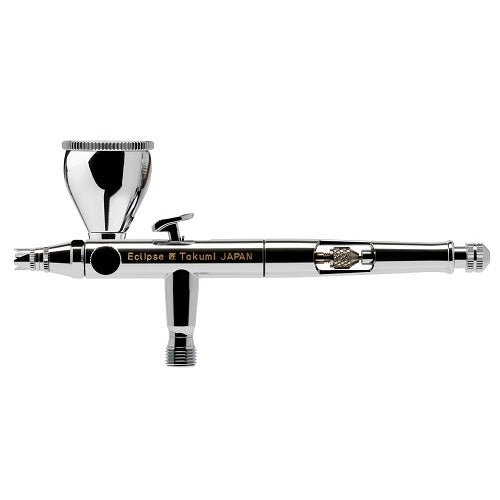
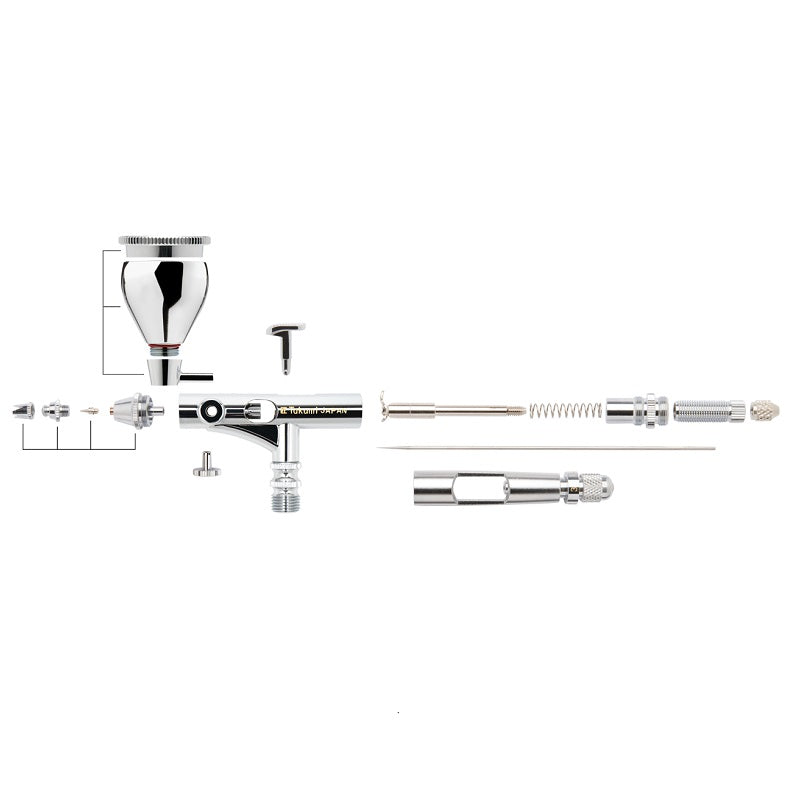
- Part for Eclipse ECL-350T Takumi
- Parts for Hi-Performance Plus HP-A Plus
- Parts for Hi-Performance Plus HP-B Plus
- Parts for Hi-Performance Plus HP-C Plus
- Parts for Hi-Performance Plus HP-SB Plus
- Parts for Hi-Performance Plus HP-BC Plus and HP-BC1 Plus
- Parts for Hi-Line HP-BH
- Parts for Hi-Line HP-CH
- Parts for Hi-Line HP-TH
- Parts for Custom Micron CM-C
- Parts for Custom Micron CM-C (Version 2)
- Parts for Custom Micron CM-C Plus
- Parts for Custom Micron CM-C Plus (Version 2)
- Parts for Custom Micron CM-B
- Parts for Custom Micron CM-B (Version 2)
- Parts for Custom Micron CM-SB Side-Feed
- Parts for Custom Micron CM-SB Side-Feed (Version 2)
- Parts for Custom Micron Takumi
- Badger Replacement Parts
- Grex Replacement Parts
- Iwata Compressor Parts
-
-
-
- Bookbinding
-
- View All
- Water Media Brush Sets
-
- da Vinci Casaneo
- Black Velvet by Silver Brush
- Princeton Aqua Elite
- Princeton Velvetouch
- da Vinci Cosmotop Spin
- Winsor & Newton Series 5011 Professional Synthetic
- Escoda Versatil
- Escoda Reserva Kolinsky
- Escoda Optimo Kolinsky
- da Vinci Maestro Series 10 Kolinsky Sharp Round
- da Vinci Maestro 35 Series Long Tapered Round
- da Vinci Maestro Kolinsky Series 1311 Wash
- da Vinci Maestro Miniaturist Series 1505 Spotters
- da Vinci Series 1526 Harbin Kolinsky
- da Vinci Petit Gris
- Princeton Series 7050 Kolinsky Sable
- Princeton Neptune
- Zen Series 83 Watercolor Brushes
- Series 7 Kolinsky Sable
- Connoisseur Risslon Blend Brushes
- Travel Brushes
- Watercolor Travel Brushes
- Water (fillable) Brushes
-
-
- Miniature Brushes
-
-
- Brush Care and Storage
- Brush Care and Storage
-
-
- Class Supply Lists
-
-
-
-
-
-
-
-
- Easels
-
-
- Erasers
- Felting Supplies
-
-
- Gift Cards
- Hahnemuhle Papers
-
-
-
-
-
-
-
-
-
-
- Marbling Supplies
-
-
-
-
-
- View All
- Oil Paint Sets
-
- Michael Harding Oil Paints
- Gamblin Artist oil 37 ml Tubes
- Gamblin Artist oil 150 ml Tubes
- Gamblin 1980 Oil Colors
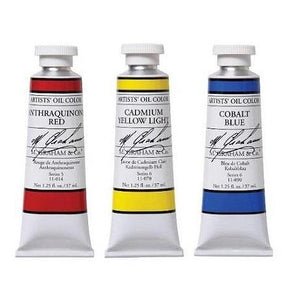
- M. Graham Professional Oil 37 ml Tubes
- M. Graham Professional Oil 150 ml Tubes
- Van Gogh Oil Paints
- Winsor & Newton Artists' Oils 37ml
- Winsor & Newton Artists' Oils 200 ml
- Winton Oil Colors 200 ml
- Griffin Alkyd Fast Drying Oils
- Artisan Water Mixable Oils
-
-
-
-
- Varnish
-
-
-
- Origami
- Palette Knives/Painting Knives
-
-
- Pochade Boxes
- Portfolios and Presentation Cases
-
-
- Scratch Art
- Sofft Tools
-
- View All
- Cutting Tools
- Punches, Papercrafting Tools
- Blank Greeting Cards
- Memento Full Size Ink Pads
- Memento Dewdrop Ink Pads
- Memento Ink Refills
- Ranger Archival Ink Stamp Pads
- Ranger Archival Reinkers
- Stamp Pads & Re-inkers
- Tim Holtz Distress Oxide Pads
- Tim Holtz Distress Oxide Refills
- Tim Holtz Distress Oxide Sprays
- Embossing Powders
- Stencils
- TCW Stencil Butter
- Cardstock
- Alcohol Inks
- Pearl-Ex Powders
- Finetec Watercolors
- Glitter
- Self Healing Cutting Mats
- Stencils
-
-
-
- View All
-
- Watercolor Tubes Sets
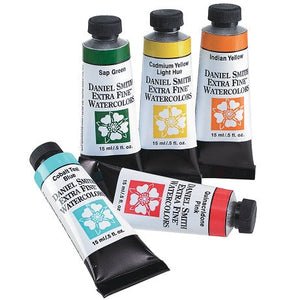
- Daniel Smith 15 ml Tubes
- Daniel Smith 5 ml Tubes
- Daniel Smith Luminescent Colors
- Daniel Smith Watercolor Dot Card Sets
- Daniel Smith Watercolor Sticks
- Daniel Smith Half Pan Refills
- Michael Harding Watercolors
- Winsor & Newton in 14 ml Tubes
- Winsor & Newton in 37 ml Tubes
- M. Graham Watercolors
- Sennelier French Artists' Watercolor
- Holbein Watercolors
- QoR Modern Watercolors
- Van Gogh Watercolors
- Viviva Colorsheets Watercolors
- Dr. PH Martin Hydrus Watercolors
- Dr. PH Martin Radiant Concentrates
- Chroma Liquid Washable Watercolors
- Watercolor brushes
- Mediums and Additives
- Watercolor Pan Sets
- Fintetec Watercolor Sets
- Gansai Tambi Watercolors
- Asian Style Watercolor Sets
- Travel Watercolor Sets
- Masking Fluids
-
- Watercolor Pads and Journals
- Watercolor Blocks
- Watercolor Paper Sheets
- Ampersand Aquabord
- Misc Tools and Accessories
-
- Woodburning
- Woodcarving
- Merri's Bargain Basement